
The Evolution of Formwork Technology in Construction
Formwork, a temporary mold used to shape concrete structures, has undergone significant advancements in recent decades. Traditionally made from timber, formwork was often labor-intensive, time-consuming, and prone to inconsistencies. Modern construction, however, demands greater efficiency, precision, and sustainability—driving the development of new technologies in formwork systems.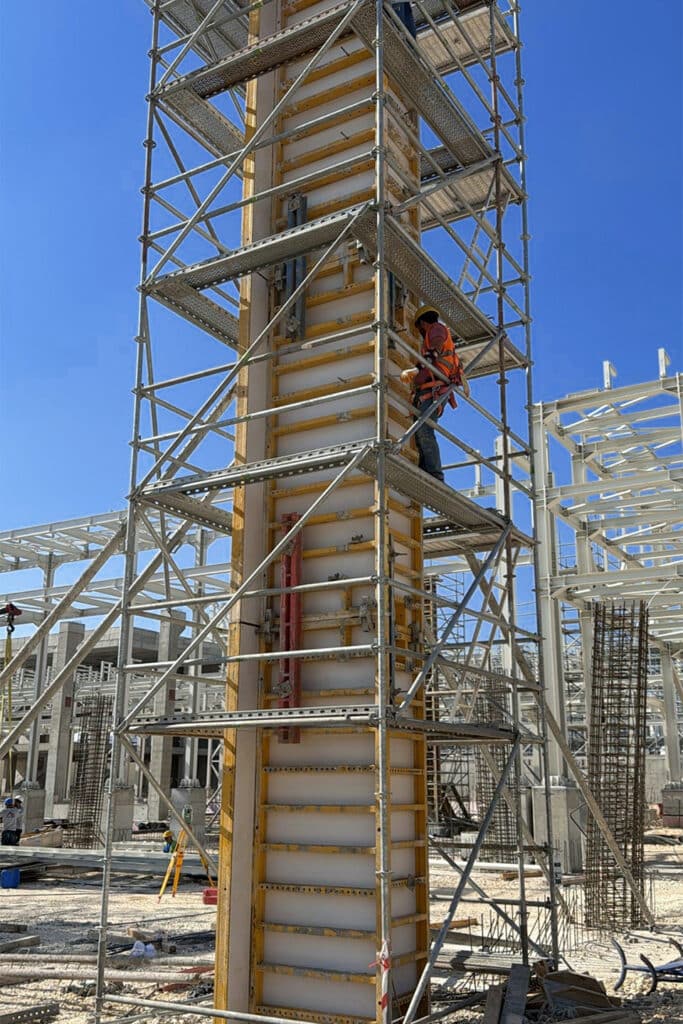
1. Modular and System Formwork
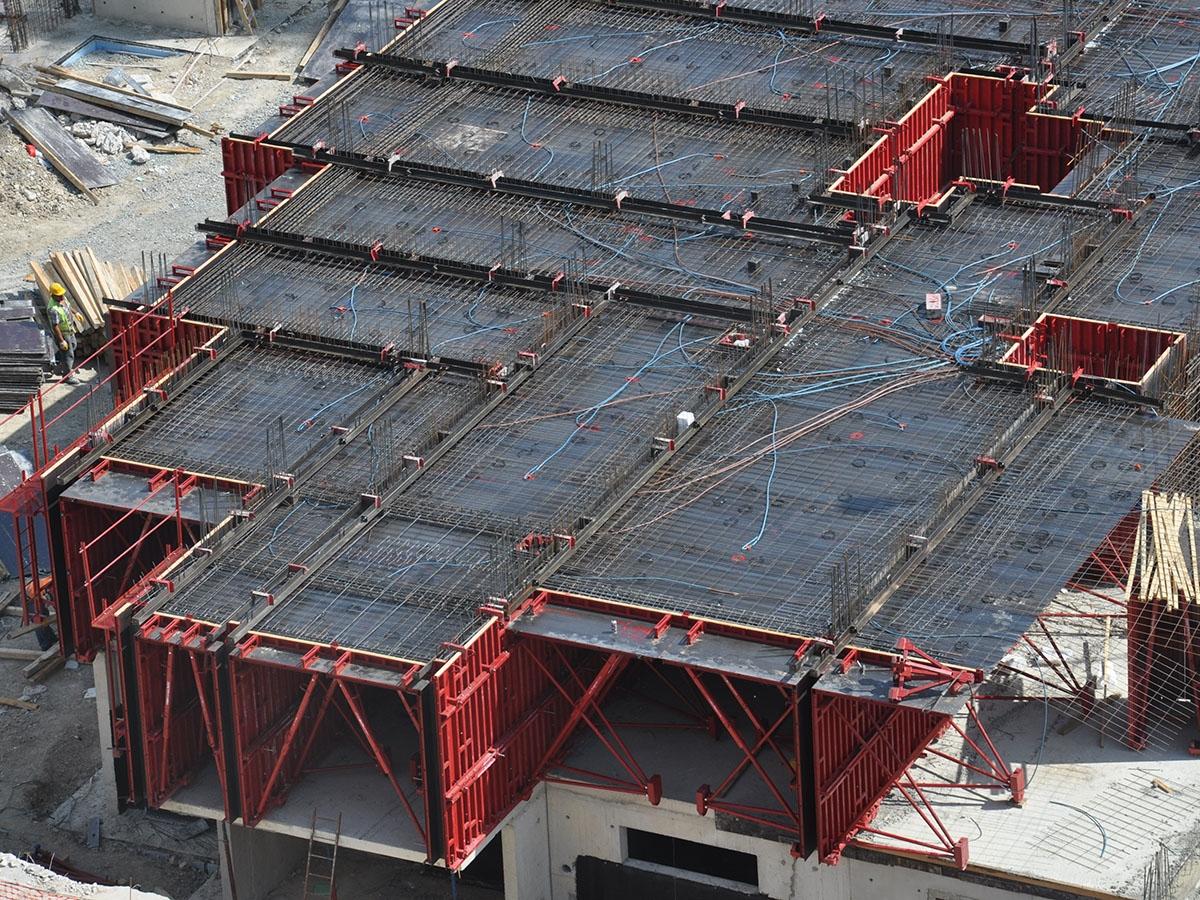
Prefabricated modular systems, often made of steel or aluminum, allow for faster assembly and reuse across multiple projects. These systems minimize human error, reduce construction time, and provide consistent finishes for columns, slabs, and walls.
2. Lightweight Materials
Aluminum and composite formwork systems have replaced heavy steel or timber in many projects. These materials are easier to handle, reducing labor costs and improving worker safety without compromising strength.
3. Climbing and Self-Climbing Systems
For high-rise structures, climbing formwork technology enables continuous vertical construction without the need for external scaffolding. Hydraulic self-climbing systems further accelerate the process, allowing contractors to work more efficiently and safely at great heights.
4. Digital Integration
Building Information Modeling (BIM) and 3D design tools are increasingly integrated with formwork planning. Digital simulations help optimize material usage, predict construction challenges, and streamline scheduling.
5. Sustainability and Reusability
With growing emphasis on environmental responsibility, modern formwork is designed for repeated use and minimal waste. Plastic formwork panels, for example, are durable, recyclable, and well-suited for projects with repetitive designs